Roof repair in Roswell, from tarp to final shingle
A water stain spreading across the ceiling. Shingle tabs scattered in the yard after a windy night. Whatever brought you here, our Roswell crew finds the source, prices the fix in writing, and gets your roof shedding water the way it should.

Repair work is most of what we do around Roswell
A big share of the housing between GA-400 and the Chattahoochee went up in the 1970s, 80s and 90s, which puts thousands of Roswell roofs in the stretch of life where things start letting go. Pipe boots crack. Nail pops lift shingle tabs. Valleys wear thin ahead of everything else. We spend most of our week on exactly these calls.
Repair is its own skill, separate from installation. Swapping a roof takes muscle and coordination; fixing one takes diagnosis. Before anyone quotes you a number, a crew member gets on the roof, walks the slopes, checks the attic side when access allows, and figures out what actually failed. The estimate you get lists the cause, the scope and the cost.
The neighborhoods tell us what to expect. Wooded lots around Martins Landing and Horseshoe Bend drop limbs and leaf litter that grind away granules and dam up valleys. Older frame houses off Canton Street have flashing details a production roofer never sees. Newer stock near Holcomb Bridge Road fails differently: builder-grade pipe boots and missing kick-out flashing, mostly. Enough seasons of this work and you stop guessing.
You will not get a replacement pitch when a modest repair solves it. If the roof genuinely is done, we say so and show you the photos that prove it. Either way the inspection costs nothing and the decision stays yours.
On the roof fast when water is getting in
Active leaks jump the queue. We tarp, patch or seal the entry point first, then schedule the permanent repair once things are dry. Most non-urgent visits land within a few days of your call, and you get a heads-up before the truck arrives.
Diagnosis before dollars
Nobody prices your roof from the street. A tech climbs up, photographs what failed, and walks you through the pictures so you can see the problem yourself. The written quote covers cause, scope and cost, with repairs starting at $499.
Materials matched to what's on your roof
We carry GAF and CertainTeed shingles in the colors common across Roswell subdivisions, plus flashing stock, underlayment and boots on every truck. Repairs get the same wind-rated nailing a full install would, so the patch holds when the next front rolls through.
A yard you can walk barefoot after we leave
Every repair ends with a magnetic sweep for nails, a debris pickup and a final walkaround with you. Shrubs get covered before work starts. If we moved something, we put it back.
Wind, hail and whatever the canopy throws down
Roswell sits under a lot of old hardwood, and that canopy is the first thing we think about when a storm line crosses Fulton County. Wind uplift peels back tabs along ridges and rakes. Hail bruises shingle mats and knocks granules loose in patterns you can read from the roof but rarely from the driveway. Limbs do the blunt damage, punching through decking or raking off shingles on the way down. Our storm calls run a simple triage: stop the water first, document everything second, schedule the permanent fix third. Tarps and cap nails ride on every truck through spring and summer for exactly this reason. Once the roof is dry we photograph each impact point, mark the slopes, and write a repair scope you can hand straight to an insurance adjuster if the damage clears your deductible. Some storm damage turns out to be cosmetic. Some looks minor from the ground and is anything but; a single lifted flashing leg can feed a leak for months before the ceiling shows it. The distinction matters, and it takes someone on the roof to make it. If a storm just moved through your street, get an inspection on the calendar before the next one arrives.
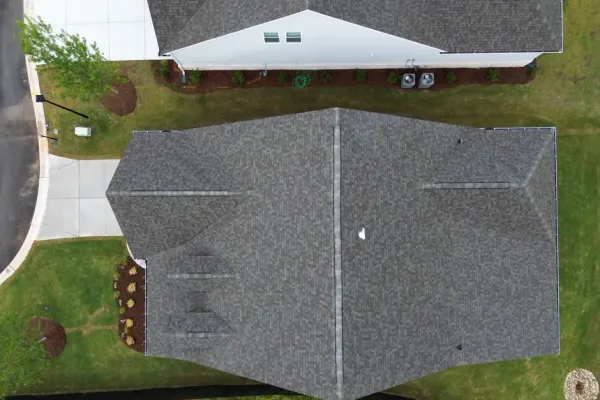
Finding the entry point, not just the drip
Water is a liar. It enters at a cracked pipe boot near the ridge, rides a rafter fifteen feet downhill, soaks a stretch of insulation, then surfaces as a stain nowhere near the actual hole. Chasing the stain gets you a patched ceiling and a leak that returns with the next heavy rain. So we work the problem from both sides. Up top we check the usual suspects in order: boots, valleys, step flashing along walls and chimneys, nail pops, skylight perimeters, ridge vent ends. In the attic we look for water tracks, rusted nail tips, matted insulation, daylight where there should be none. When the source stays stubborn we run a controlled hose test, one roof zone at a time, until the drip answers. Only then does anyone open a tube of sealant or pull a shingle. Leak repairs around Roswell start at $250 and most wrap up in a single visit once the source is confirmed. You get photos of what we found and what we did, which comes in handy years later if a buyer's inspector asks about that ceiling patch.
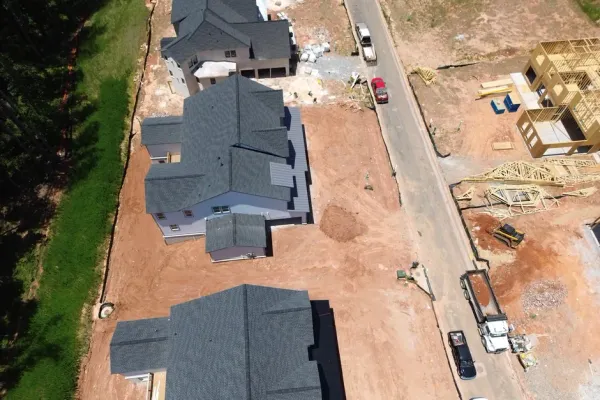
Shingle matching when your color left the market
Half the roofs we repair around Roswell wear architectural shingles installed when the subdivision was built, and plenty of those colors have been discontinued for years. A mismatched patch on the front slope hurts every listing photo the house will ever take. So matching gets real attention here. We stock current GAF and CertainTeed lines that blend with most of what the 80s and 90s builders used, and when the exact color is gone we pull the closest running production, then place new tabs where sun exposure evens out the difference within a season or two. The mechanics matter as much as the color. Damaged shingles come out without breaking the seal strips on their neighbors. Decking underneath gets checked for soft spots while it sits exposed. New tabs go down with the manufacturer's high-wind nailing spec, because a repair that blows off in the next thunderstorm was never a repair. On slopes with widespread wear we will tell you plainly when patching stops making sense and sectional replacement becomes the cheaper path over five years. That math changes house to house. Bring us the problem and we will show you both numbers.

Metal details: step, counter and kick-out flashing
Shingles get the attention, but metal quietly decides whether your roof leaks. Chimneys need stepped pieces woven into each shingle course plus counterflashing let into the mortar above. Sidewalls need step flashing feeding water onto the roof, with a kick-out at the bottom to throw it into the gutter instead of behind the siding. Valleys concentrate everything. Drip edge guards the fascia line. Any of these can be original to a 1980s build and simply worn out, or botched by a previous repair that smeared roofing cement across the joint and called it done. Caulk is a gasket, not a structure; Georgia sun eats it in a few summers and the leak comes back. Our flashing repairs remove the failed metal, prep the surfaces, and rebuild the detail the way the spec book draws it: fastened, layered so gravity does the work, sealed as a backup rather than a crutch. On Historic Roswell homes we shape pieces on site because nothing about those rooflines is standard. It runs slower that way. It also outlasts the smear-and-pray approach by years, which is why so much of our flashing work starts as someone else's redo.
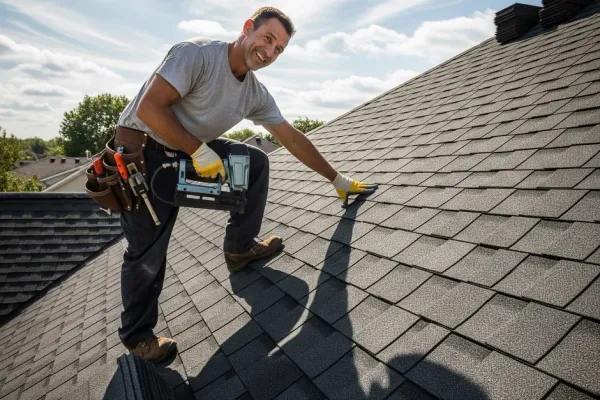
The roof edge: fascia, drip edge and tired gutters
A surprising share of "roof leaks" start at the edge. Gutters pull loose and tip forward. Water sneaks in behind them, rots the fascia board, and suddenly the bottom course of shingles has nothing solid underneath it. Drip edge that was never installed, common on older Roswell builds, lets runoff curl back under the starter course and wick into the decking. We repair the edge as a system: rehang or re-pitch sagging runs, replace rotted fascia sections, slide new drip edge under the starter shingles where it was skipped, and reseat the gutter on fresh hangers. When the gutter itself is past saving we will say so; our gutter repair crew handles reslopes and section swaps, and full replacements get quoted separately so you never buy more than the roof actually needs. Overflow tells its own story. Water sheeting over the front lip in an ordinary rain usually means clogs or bad pitch rather than undersized gutters, and one visit sorts out which. Edge work is unglamorous. It is also the cheapest place to stop a rot problem that gets expensive quickly once it reaches the rafter tails.
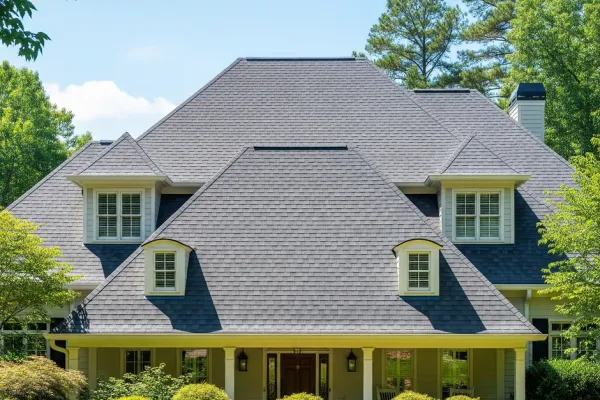
Boots, vents and everything poking through the deck
Every penetration through your decking is a hole somebody once sealed and the weather has been working on ever since. Pipe boots are the classic failure: the rubber collar splits after a decade of UV and drops a slow leak straight onto a bathroom ceiling. Ridge vents loosen at their end caps. Bath fan and furnace flues rely on storm collars that back off a little more each year. Chimneys combine masonry movement with flashing fatigue, a pairing that produces some of the most stubborn leaks we chase. Repairs here are quick when caught early, and we usually swap every aged boot on the roof in one visit rather than billing three separate service calls as they fail one by one. Skylights get a hard look at the factory flashing kit and the weep channels before anyone blames the glass. Where a cracked crown or spalling brick is the true culprit we flag it for a mason and handle the chimney flashing side ourselves. One roof, one visit, every penetration checked: a cheap habit that heads off most of the surprise leaks Roswell homeowners call about in February.
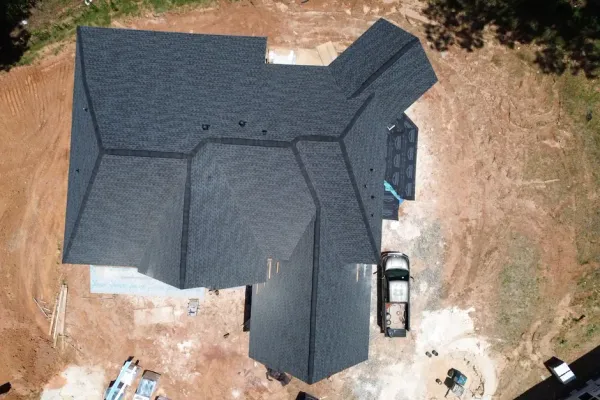
A twice-a-year habit that outruns the repair truck
The cheapest repairs are the ones scheduled before the ceiling knows anything is wrong. Under Roswell's hardwood canopy that means a spring check once storm season warms up and a fall check after the leaves finish coming down. Twenty minutes on the roof catches lifted tabs, early nail pops, a boot beginning to crack, granule piles collecting at the downspout outlets. Each of those is a small fix in April and a drywall project by August. Our maintenance visits bundle the minor work into the same trip: resealing exposed fasteners, tacking down a lifted tab, clearing the valley debris that holds moisture against shingles and shortens their life. You also walk away with a photo record of the roof in healthy condition, which quietly does two jobs. It gives your insurance file a before picture if hail ever crosses your street, and it lets you watch trends over the years instead of guessing. Houses under heavy tree cover, and that describes most of the older streets here, benefit the most from the routine. Start with a free roof inspection; it costs nothing and tells you exactly where your roof stands today.
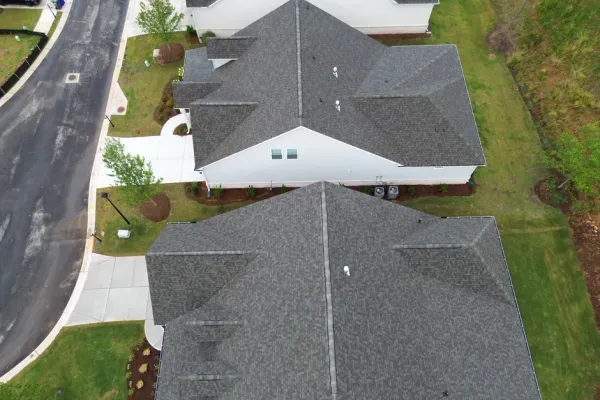
When hail hits, paperwork wins the claim
Storm claims are won with documentation, not arguments. When hail or wind damage looks like it clears your deductible, we build the file the adjuster's software expects: dated photos of every slope, chalk-marked impact points, close-ups of bruised mats and creased tabs, and a line-item scope written in the same trade language the carrier's estimating tools use. We will meet the adjuster on the roof if you want us there; a second set of trained eyes tends to keep borderline slopes in the conversation instead of quietly dropping off the approval. Two honest cautions from doing this a long time. First, filing on cosmetic scuffing can cost you more in premium history than the repair is worth, and we will tell you when paying out of pocket is the smarter play. Second, deadlines are real, and carriers get less flexible as months pass after a storm date. If a hail cell crossed North Fulton and your neighbors are suddenly getting roofs, have yours checked and documented the same season, while the storm date is fresh and the evidence is still on the shingles.
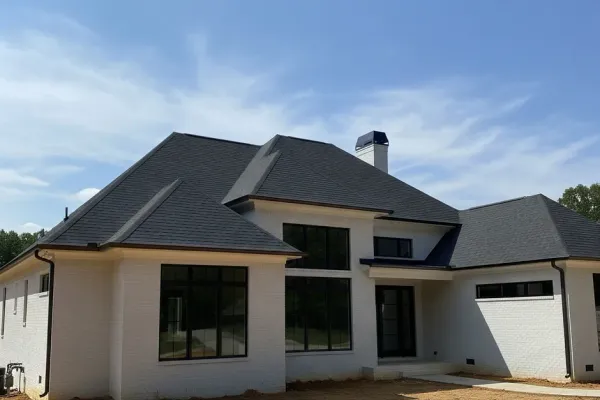
What roof repairs cost in Roswell
Straightforward fixes carry starting prices you can check before we ever visit: leak repairs from $250, chimney flashing work from $300, and general roof repairs from $499. Three things move the final number. Count of failure points is the big one, since a roof with one bad boot prices differently than a roof with four worn valleys. Pitch and height add labor time. Hidden decking rot, when it turns up under old shingles, gets photographed and approved by you before it gets replaced. The full menu, gutters and maintenance plans included, sits on our prices page.
Past a certain amount of damage, repair money stops buying much. A twenty-five-year-old roof needing work on every slope is spending toward a replacement that starts at $2,999 anyway. When the numbers get close we lay both options side by side, and you can price out a full replacement yourself in about a minute, measured from satellite imagery of your actual roof. No form first, no callback required.
Repair questions we hear around Roswell
How fast can someone get to my house?
Active leaks get same-day or next-day response in most of Roswell, including the Martins Landing and Horseshoe Bend loops a few minutes off GA-9. Routine repairs typically land on the schedule within the week. Call (470) 777-7344 and describe what you’re seeing; if water is coming in right now, we’ll talk you through damage control while a crew heads over, and our emergency roof repair team covers the after-hours calls.
Is it worth repairing a roof that’s over twenty years old?
Sometimes. The honest test is whether the failure is local or general. One bad valley on an otherwise sound roof is a fair repair. Granule loss across every slope, tabs that crack when lifted, and fixes stacking up two or three a year say the roof is finished, and further patch money is rent, not investment. An inspection settles it with photos rather than opinions, and if replacement wins, the quote includes tear-off, a decking check and new flashing.
Do you work on the older homes near Canton Street?
Yes, and we like those jobs. Historic Roswell rooflines carry steep pitches, hand-framed dormers and flashing details that predate every modern spec book, so the work runs slower and more custom than a subdivision repair. We shape metal on site, source shingles that suit the age of the house, and keep changes reversible where the district’s character matters. Send photos when you call and we’ll tell you honestly whether it’s a repair visit or a bigger conversation.
Will a repair match my existing shingle color?
Usually close enough that nobody notices from the curb, and we’ll flag it up front when it won’t. Discontinued colors are common on 1990s roofs. In those cases we blend the nearest current GAF or CertainTeed color into a lower-visibility slope, or move sound shingles from a hidden slope to the visible one and patch the hidden side with new stock. A couple of seasons of sun narrows whatever difference remains.
Put a roofer on it this week
Tell us what you're seeing: a stain, a drip, shingles in the flowerbed, or just a bad feeling about that last hailstorm. We'll inspect it free, explain it straight, and quote the repair in writing before anyone lifts a hammer.
Not sure what a new roof runs? Estimate your roof cost in Roswell, measured from satellite imagery, or run a storm & insurance damage check.