Roofing in Historic Roswell, done with a light touch
Historic Roswell asks more of a roof than most neighborhoods in Fulton County. The homes near the square range from 1800s landmarks to 1920s cottages to townhomes finished within the last decade, and every one of them wears weather differently. We match the roofing approach to the building instead of forcing one spec onto all of them. You get a free inspection, photos of what we find, and a written, itemized estimate before anyone touches a shingle. No pressure, and no crew that learns on your house.
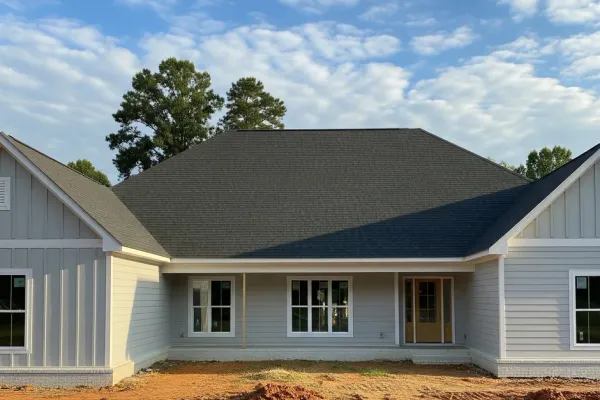
Old houses ask more of a roofer, and this district has plenty
Best Roswell Roofer is a local roofing company that does its own work in the district, and we have actually worked on older structures. We are operated by North Atlanta Roofing, we install GAF and CertainTeed systems built for Georgia weather, and we back every roof with a written workmanship warranty.
Materials matter everywhere, but experience matters more here. An 1890s roof near Bulloch Hall may hide plank decking, brittle framing, and three generations of patchwork under its shingles. A townhome off Canton Street hides none of that and fails in completely different places. We read the building first, then write the estimate, which is why Historic Roswell homeowners tend to call back for the next project.
Older-home experience you can check
Ask how many pre-war roofs the crew has opened up. We have replaced decking, rebuilt valleys, and reflashed original masonry chimneys across North Fulton's older neighborhoods, and every estimate walks you through exactly what your roof needs and why.
Documentation that protects you
Every free inspection in Historic Roswell comes with photos, a written scope, and line-item pricing. If hail or wind damage is involved, the same documentation goes to your insurer so the claim reflects what is actually on the roof.
Steep pitches and hand-framed rooflines near the square
The 1800s and early 1900s homes around the Roswell square were framed by hand, long before trusses standardized roof geometry. Pitches run steep, ridge lines wander, and a century of additions means valleys and dead-end walls where two eras of construction meet. Those junctions are exactly where water finds a way in. Reroofing a house like this is less about speed and more about sequence: tear off carefully, replace plank decking where it has gone soft, add ice and water shield at every valley and transition, then install shingles and step flashing that follow how the roof actually drains. Historic Roswell rewards that patience. Shortcuts show up as ceiling stains within a couple of seasons.

The hardwood canopy gives shade and takes shingle life
Mature oaks and hardwoods are part of why people love Historic Roswell, and they are quietly hard on roofs. Shaded slopes dry slowly after Georgia rain, which invites algae streaking and moss at the edges. Leaf litter packs into valleys and gutters, holding moisture against fasteners and drip edge long after the sky clears, and falling limbs do their damage in single afternoons. We factor the canopy into every recommendation in the district: algae-resistant shingle lines, open metal valleys where debris load runs heavy, and a cleaning schedule that keeps water moving off the roof, the soffit, and the fascia instead of sitting against them. A tree-heavy lot is not a problem. It is a maintenance plan.
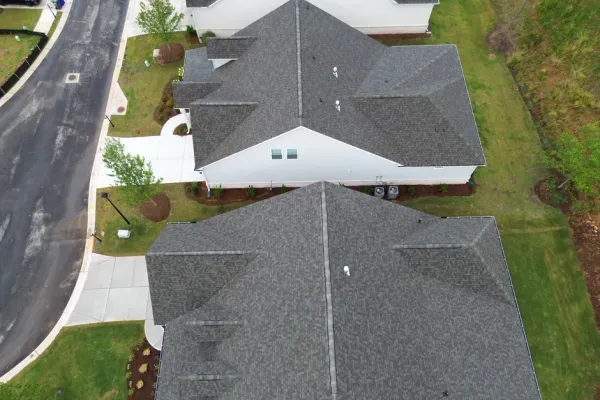
Flashing fails before shingles do on the district's oldest roofs
Walk the older blocks of Historic Roswell and the roofing failures follow a pattern. It is rarely the field shingle that lets go first. It is the metal: step flashing against original masonry chimneys, counterflashing mortared into joints that have softened with age, pipe boots cracked by decades of sun, and drip edge that predates modern code. Old chimneys are a particular weak point, because brick wicks water once crowns and mortar joints deteriorate. On these houses we inspect every penetration, rework failed flashing in copper or heavy-gauge aluminum, and coordinate masonry repair when the chimney needs more than metal.
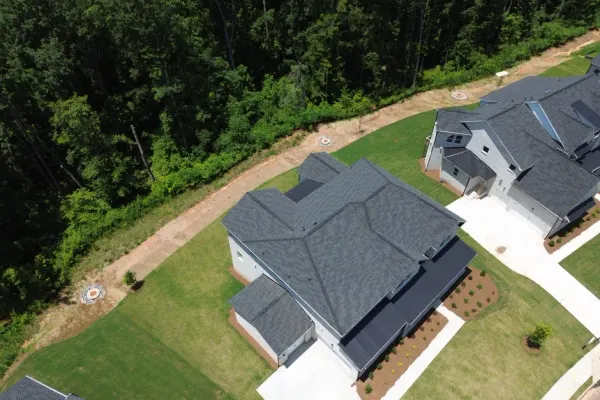
Hail crosses Fulton County without checking the historic register
Summer storms track across North Fulton with the same energy whether they hit a new subdivision or an antebellum landmark. Hail bruises shingle mats, wind lifts tabs along exposed ridge lines, and the tall hardwoods of Historic Roswell add limb strikes to the list. After a storm moves through, the smart move is a documented inspection before any insurance conversation. Our crews photograph every slope, mark hail impacts, and separate cosmetic wear from functional damage, which keeps claims honest and approvals faster. Emergency tarping is available around the clock when a leak will not wait, and permanent repairs follow with materials matched to the home.
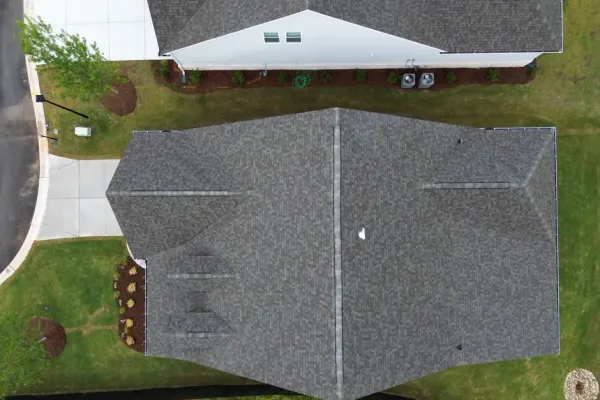
Townhome infill ages on a different clock
The newer townhomes threaded through Historic Roswell carry none of the old-house baggage and a few quirks of their own. Shared rooflines mean a neighbor's failed flashing can become your ceiling stain. Kickout flashing where roof meets siding is the detail builders most often shortchanged, and tight lot lines complicate staging and debris control. Gutters matter disproportionately, because these homes shed water onto small footprints with little forgiveness. We handle repairs that respect party walls, gutter runs sized for real Georgia downpours, and inspections that catch builder shortcuts while the fix is still small. Infill owners get the same walk-through and written scope as everyone else in the district.
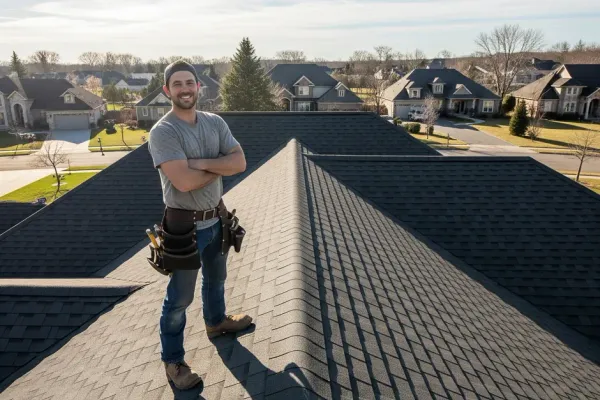
Roswell started as a mill town, and the blocks around the square still carry the evidence. The Roswell Mill machinery is long quiet, but Vickery Creek, its falls, and the covered bridge above them anchor one end of the district, while Bulloch Hall and Barrington Hall hold down the antebellum end of the architectural timeline. In between sit homes built from the 1800s through the 1920s, joined over the last couple of decades by infill townhomes on the gaps and side streets. Canton Street’s dining district keeps the area busy on weekends. A mature hardwood canopy shades nearly all of Historic Roswell, porches in August and roofs year-round.
For a roofer, Historic Roswell is really three jobs wearing one name. Pre-war houses need decking sympathy and flashing skill. Mid-century survivors need honest triage between repair and replacement. New townhomes need warranty-minded work and an eye for builder shortcuts. We quote each building on what it is, which sounds obvious and somehow is not standard practice.
A housing stock that spans three centuries
The oldest homes near the square were framed by hand with lumber nobody mills anymore. Their roofs run steeper than modern spec, their decking is often solid plank rather than sheathing panels, and their chimneys are structural masonry that has been settling since before Fulton County paved Atlanta Street. Modern synthetic underlayment, ice and water shield, and copper or heavy-gauge step flashing let these roofs outperform anything they wore in their first century, but only when the installer sequences the work around the building’s quirks instead of through them.
Townhome infill plays by different rules. These roofs are young, their geometry is simple, and their failures are almost always details: a missing kickout flashing, a pipe boot cracked early by sun, gutters undersized for what a Georgia July delivers. Elsewhere in Historic Roswell sits everything in between, from 1920s cottages carrying two layers of shingle and waiting on a proper tear-off to mid-block houses whose additions created valleys the original roof never planned for. Both GA-9, running through as Atlanta Street, and GA-120 thread past this part of Roswell, which keeps the district connected and keeps its weather thoroughly ordinary Georgia: hail some springs, hard thunderstorms most summers.
The calls that come from the district most often
Roof repair leads the list: slipped shingles on steep pitches, flashing that has separated from old masonry, leaks that trace back to additions. Chimney repair runs a close second, because Historic Roswell has more original masonry chimneys per block than anywhere else in the city, and every one of them depends on sound crowns, mortar, and counterflashing. When a roof is genuinely done, we walk homeowners through roof replacement options that suit the architecture rather than fight it. If you want numbers first, price out a replacement before you call and bring the figure to your inspection.
From Canton Street out to the rest of Roswell
Coverage does not stop at the district’s edge. Crews work the whole city, from the square down GA-9 and west toward GA-92, and our pages for Martins Landing and Horseshoe Bend cover the east Roswell neighborhoods off Holcomb Bridge Road in the same detail. Wherever the house sits, the process starts the same way: schedule a free inspection, get photos and a written estimate, and decide with real information in hand. Historic Roswell homes have outlasted a lot of weather. With the right roof, yours keeps doing it.
Can you reroof an older Historic Roswell home without flattening its character?
Yes, and it starts with material selection. Architectural shingles in muted colors sit comfortably on 1800s and early 1900s homes, and designer lines echo wood shake or slate where the original roof called for it. We keep ridge lines, dormers, and trim details intact, replace decking selectively rather than wholesale, and match flashing metals to the age of the house. The goal is a roof that protects like 2026 and reads like the district.
Do design-review rules ever affect roof work near the Roswell square?
They can. Some properties in and around Historic Roswell fall under local designations that ask for review before exterior changes, and requirements vary block by block and case by case. We flag the question early, help you confirm what applies to your address before materials are ordered, and quote options that satisfy both the reviewers and your budget. Sorting this out up front costs a few days. Sorting it out mid-project costs a lot more.
Which roof problems show up most often in Historic Roswell?
Flashing failures lead the list, especially around original masonry chimneys and where additions meet the main roof. After that come moss and algae on canopy-shaded slopes, clogged valleys and gutters from heavy leaf drop, cracked pipe boots, and storm damage from limbs and hail. On the oldest homes we also find soft plank decking that has to be addressed during replacement. A free inspection tells you which of these your roof is dealing with and how urgent each one is.
What should I do about storm damage before a crew arrives in Historic Roswell?
Stay off the roof. If water is coming in, move what you can, catch what you cannot, and photograph the interior damage with times and dates. Call (470) 777-7344 and we will get emergency tarping over the breach, day or night. Do not sign anything with a door-knocking storm chaser before your own documented inspection. Historic Roswell sees plenty of them after hail, and a rushed signature can cost you control of your claim.
How is an estimate built for a Historic Roswell house?
From the roof, not the street. The crew walks every slope, probes decking where age suggests trouble, checks flashing at each penetration, and photographs what they find. You get an itemized written estimate: tear-off, decking allowances priced per sheet, underlayment, shingles, flashing, ventilation, and cleanup, each on its own line. Older homes carry more unknowns than new ones, so we price the known work and state any contingency plainly instead of hiding it.
Get a straight answer on your Historic Roswell roof
Whether you own an 1800s landmark near the square or a townhome off Canton Street, the next step is the same: a free inspection and a written estimate you can hold onto. We install GAF and CertainTeed systems and back every roof with a written workmanship warranty.
Not sure what a new roof runs? Estimate your roof cost in Roswell, measured from satellite imagery, or run a storm & insurance damage check.